Category Archives: Uncategorized

Flower of the Day: Leucospermum lineare, known as “The Vulnerable”

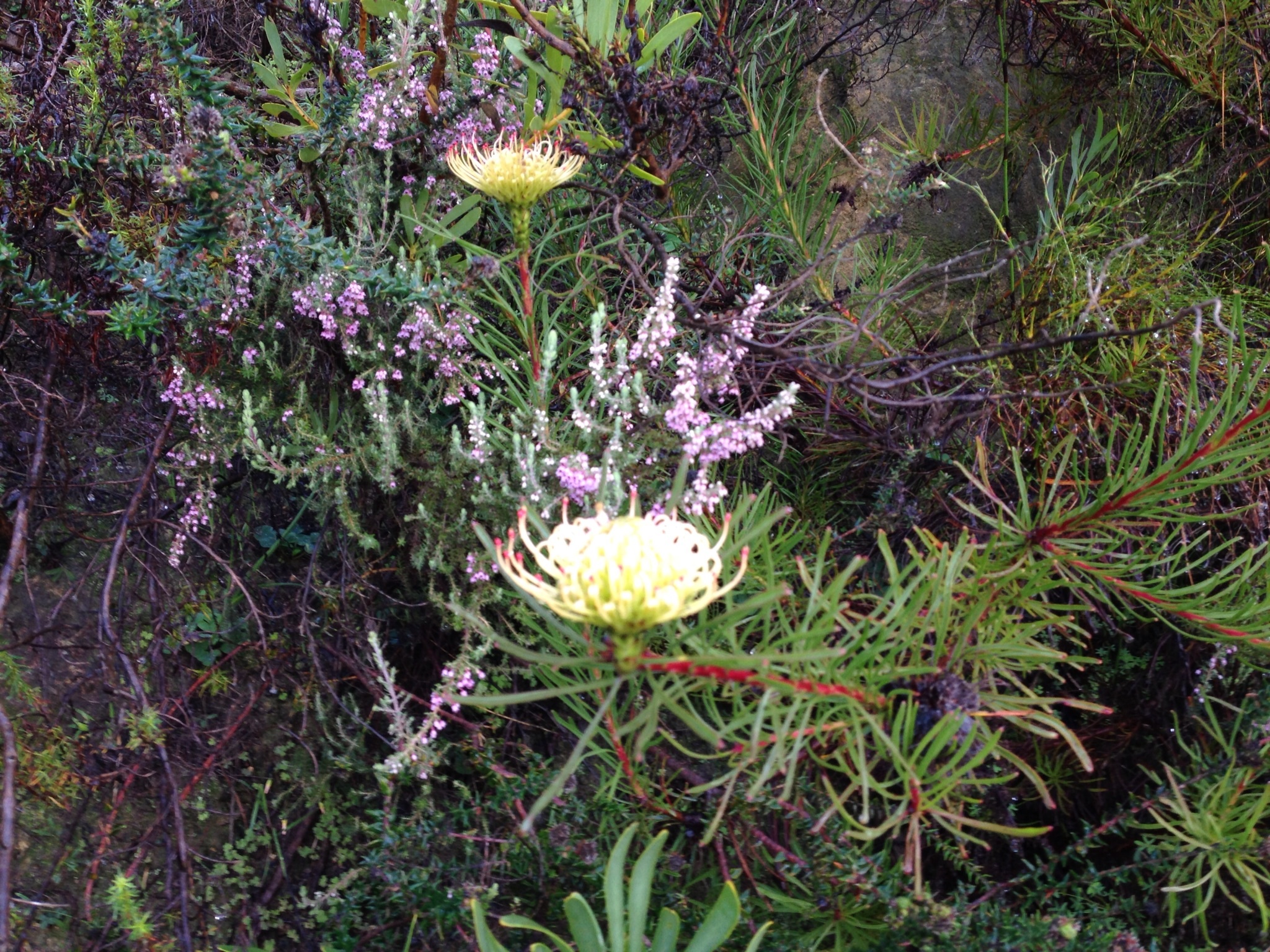
Published on yesterday’s blog, and a flower I am sure I won’t be able to resist photographing many more times.  This delicate pincushion is on the fynbos red list and we are very happy to see it thriving here.  It is not the only one; I wouldn’t quite call it a colony, but we do have a few of them.  Luckily they are largely inaccessible to flower hunters and enthusiastic photographers.

Leucospermum lineare

Leucospermum lineare

A farm awash with rain and flowers

The torrents of rain have played havoc with our internet with is normally very good at the farm. On Thursday last week it poured all day and the dams in the Cape are now officially full.  But the storm hit the “tower” on the farm which wasn’t repaired until Monday and we have only just acquired enough bandwidth for blogging and uploading, which is all very frustrating for The Fynbos Blog.

It’s raining heavily again today but in between we’ve had some glorious weather and today’s blog includes photos from several runs and a “flower safari” that we did for friends over the weekend. Luckily they were knowledgeable friends and identified some plants that I was not sure about.

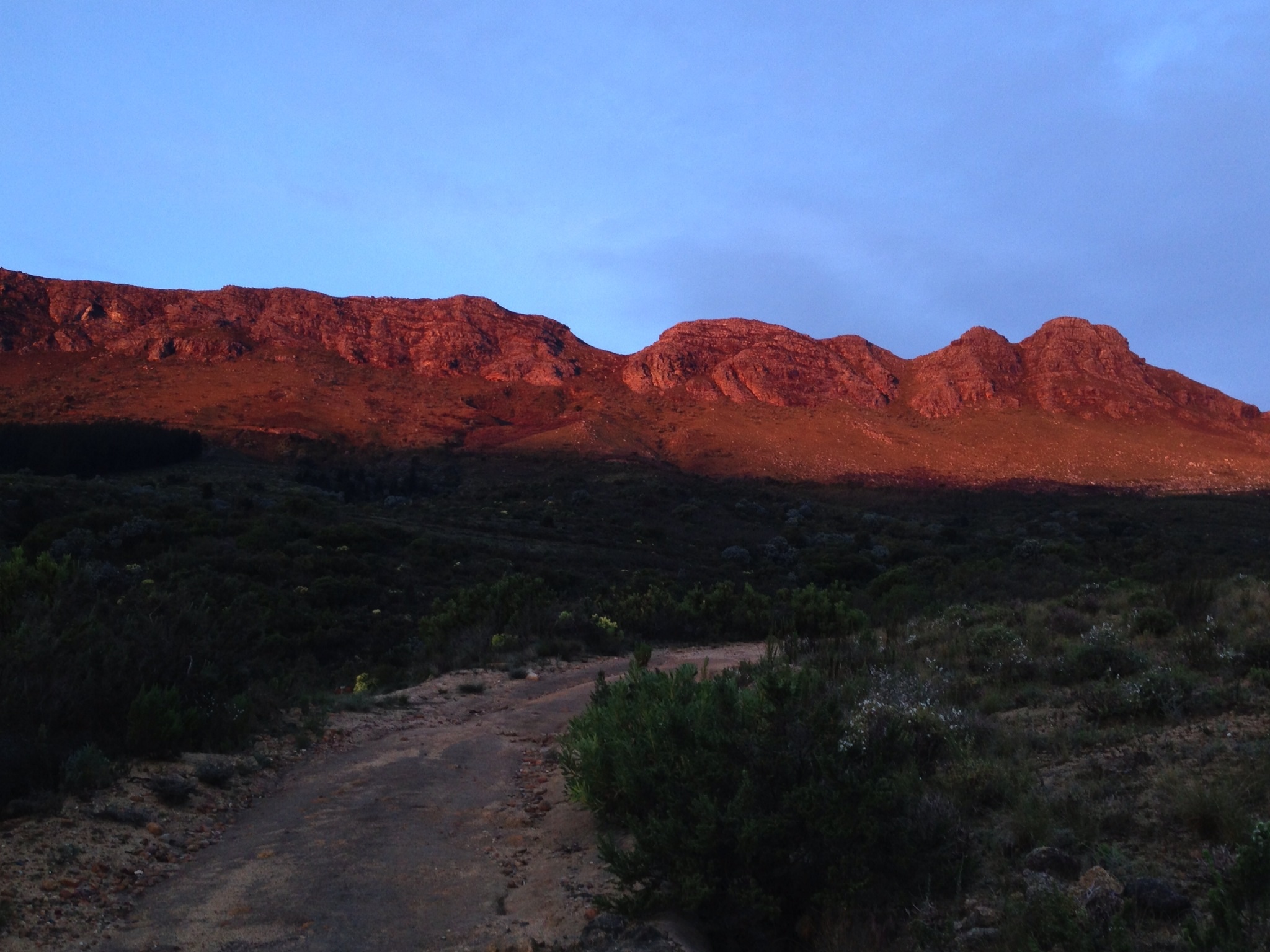
The first glimpse of sunlight in at least 10 days came on Friday morning and floodlit the moutain through the clouds on our morning run. What a joy to anticipate some warmth and light over the weekend.
Dawn sunshine floods through the clouds

Dawn sunshine floods through the clouds

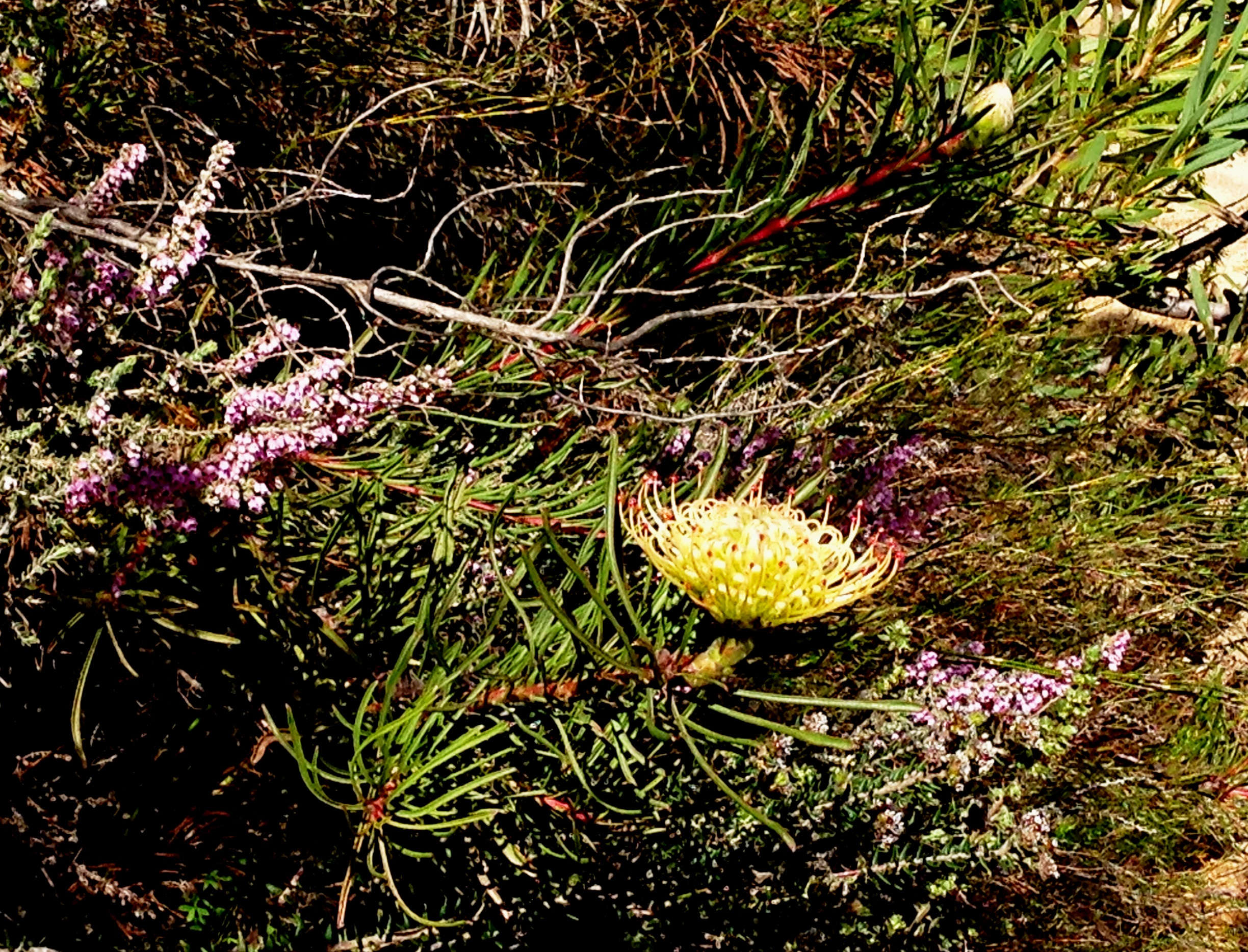
One new flower that I’m very happy to see is the Leucospermum that climbs down the bank on the driveway – aesthetically positioned on a bend in the road it is one of the few of this variety that we have on the farm and faithfully flowers every year.  This is Leucospermum lineare, touchingly known as the Vulnerable and on the Red List of South African fynbos plants.  It should be safe with us.   (with thanks to Rupert Koopman for the ID).
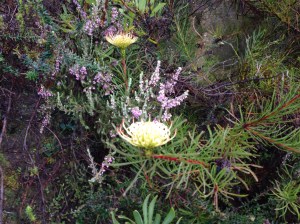
Leucospermum - the pincushion flower

Leucospermum lineare – the Vulnerable

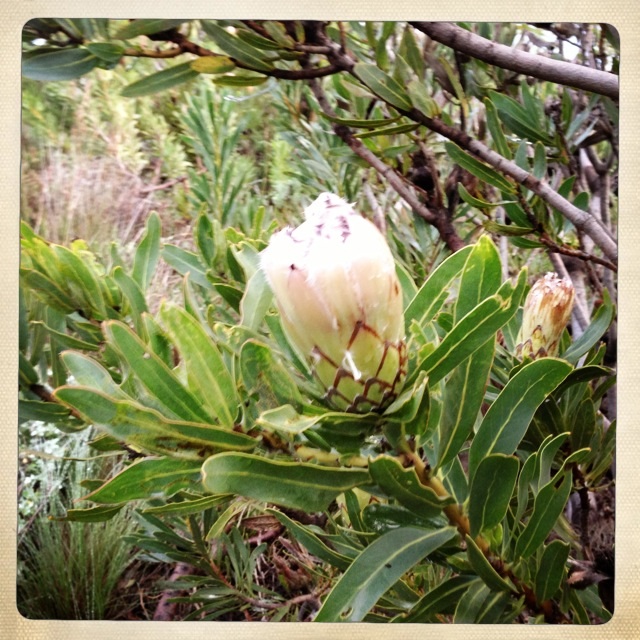
This Protea is one that I’ve photographed before but I don’t think we’ve identified it correctly.  I suspect that it could be Protea speciosa but we need to see if those petals have the right kind of hairy beards when it flowers fully.  It is loving the rain and throwing lots of new buds.
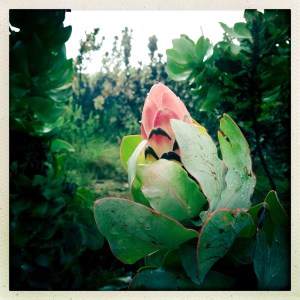
Protea speciosa-esque?

Protea speciosa-esque?

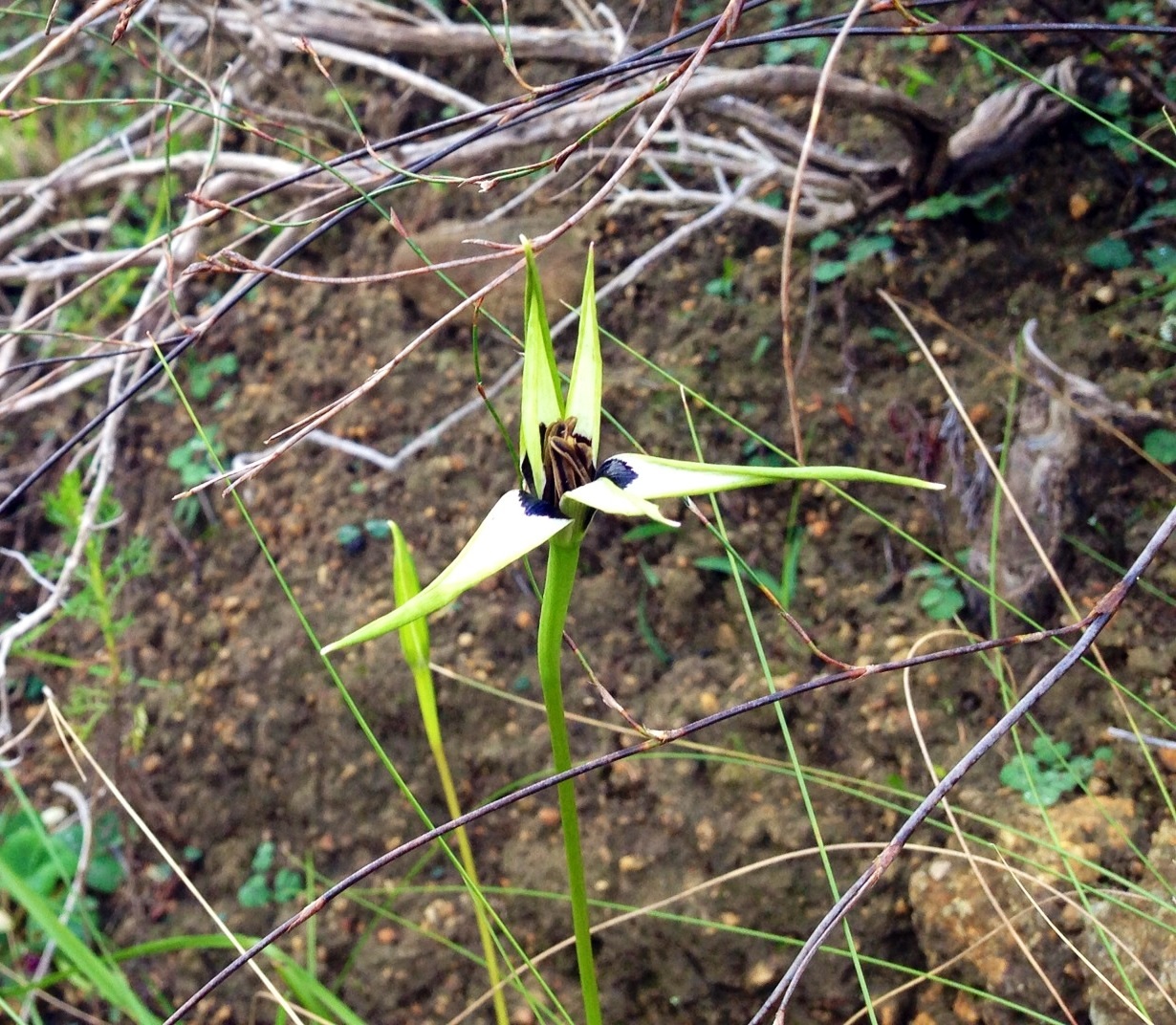
Rain is also wonderful for flowering bulbs once they get a bit of sunshine and on our Sunday walk we saw this Spiloxene Capensis, the Cape Star on the point of flowering. We will definitely post a picture of this beauty in full flower if we get enough of a break in this week’s rain to get up the mountain.
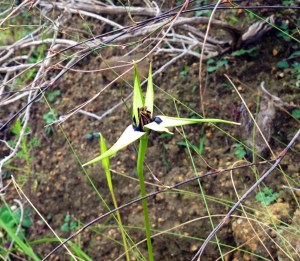
Spiloxene capensis about to flower

Spiloxene capensis about to flower

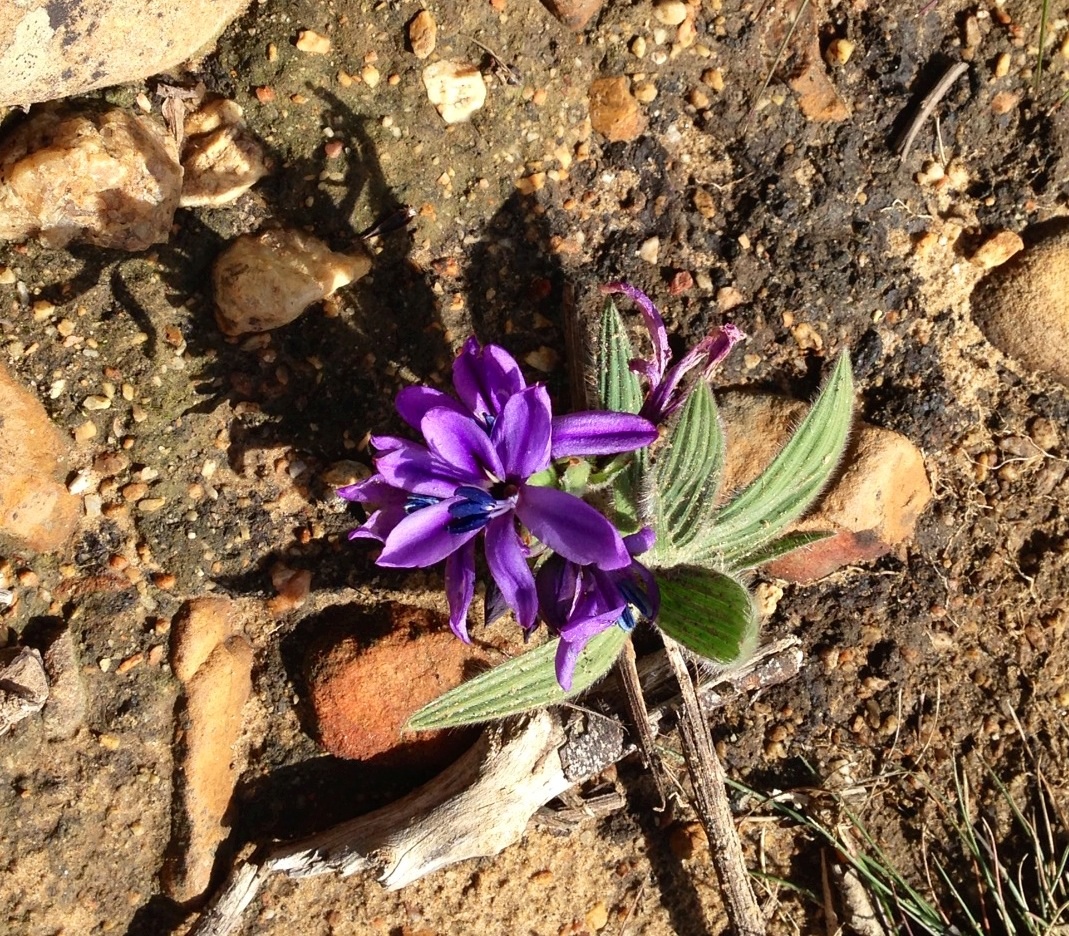
Most of the flowering bulbs are a bit tattered but this Babinia Fragrens was clearly happy to see the sun and possibly emerged just after the rains as its petals are in perfect condition.
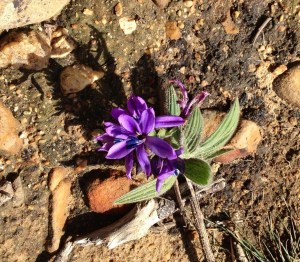
Babinia fragrens

Babinia fragrens

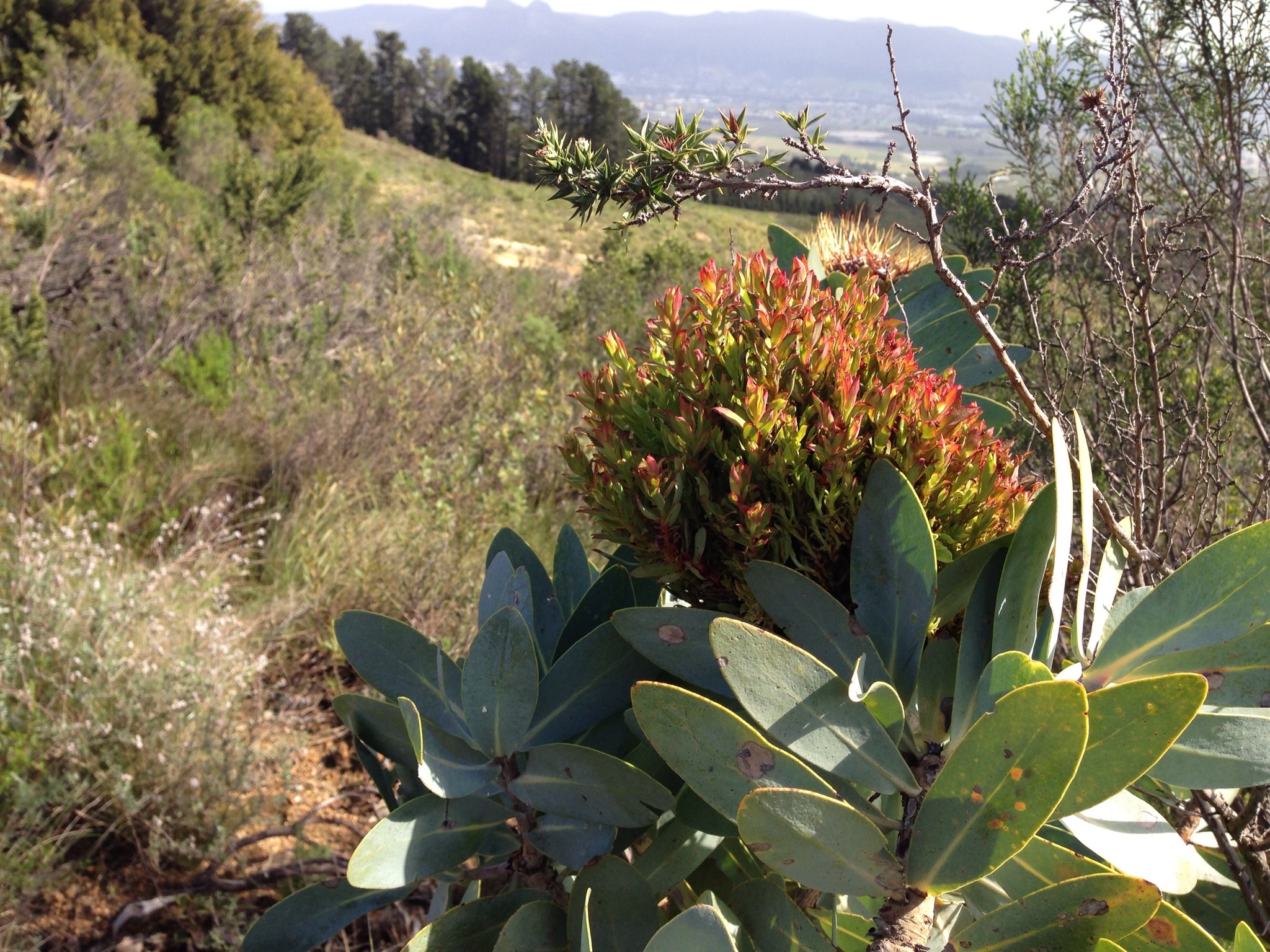
On the road down from the waterfall to the farm stands this curiosity, a protea with a strange but apparently very happy parasite growing on it. I have no idea what it is and am posting a photo of it for curiosity value.

image

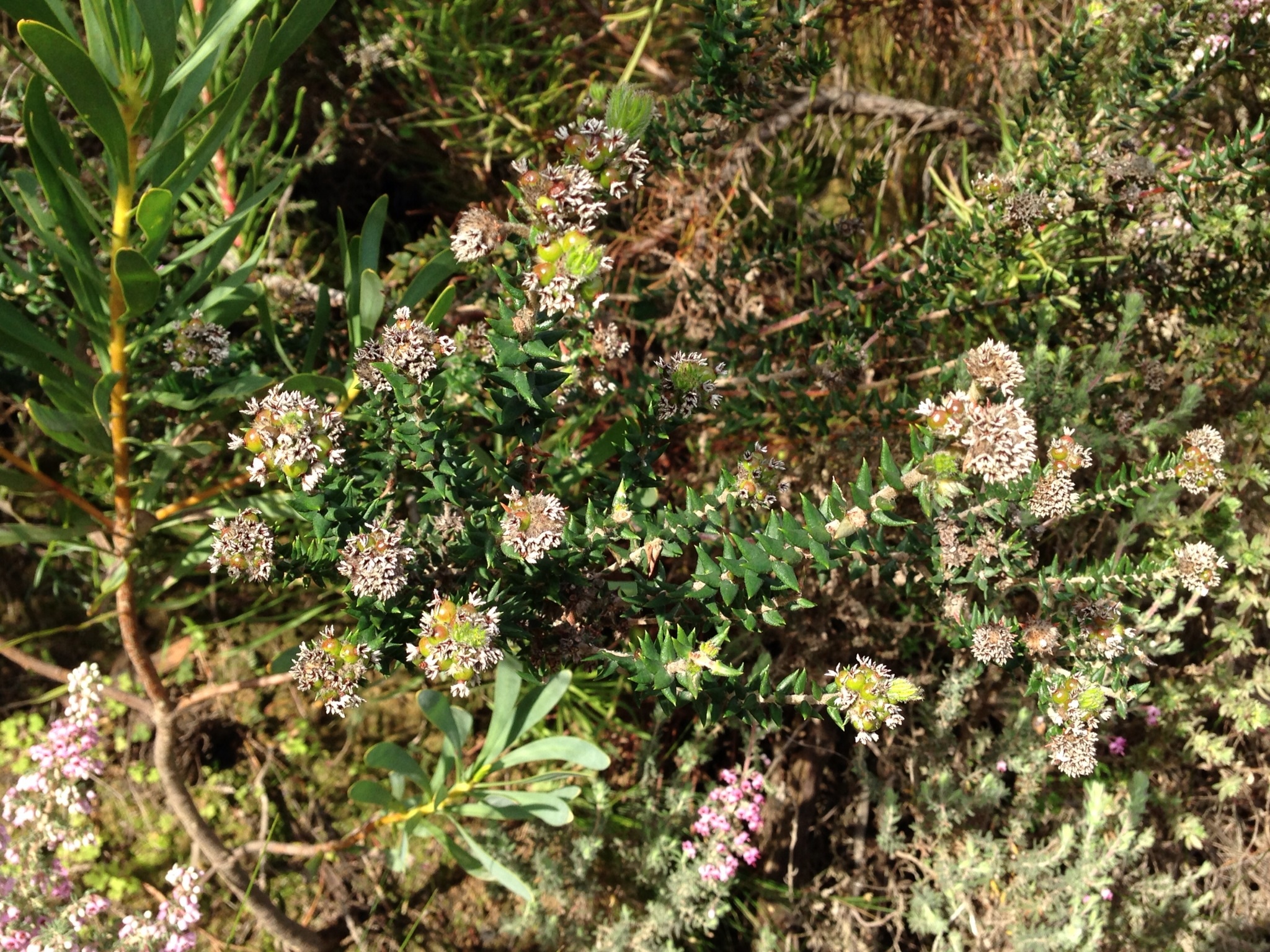
I have not yet quite identified this fabulous fynbos shrub.  Notice the way the flowers seem to grow out of the fruit. When we first came here I was fascinated by the shapes and strange habits of some of the fynbos.

Unidentified shrub

Unidentified shrub

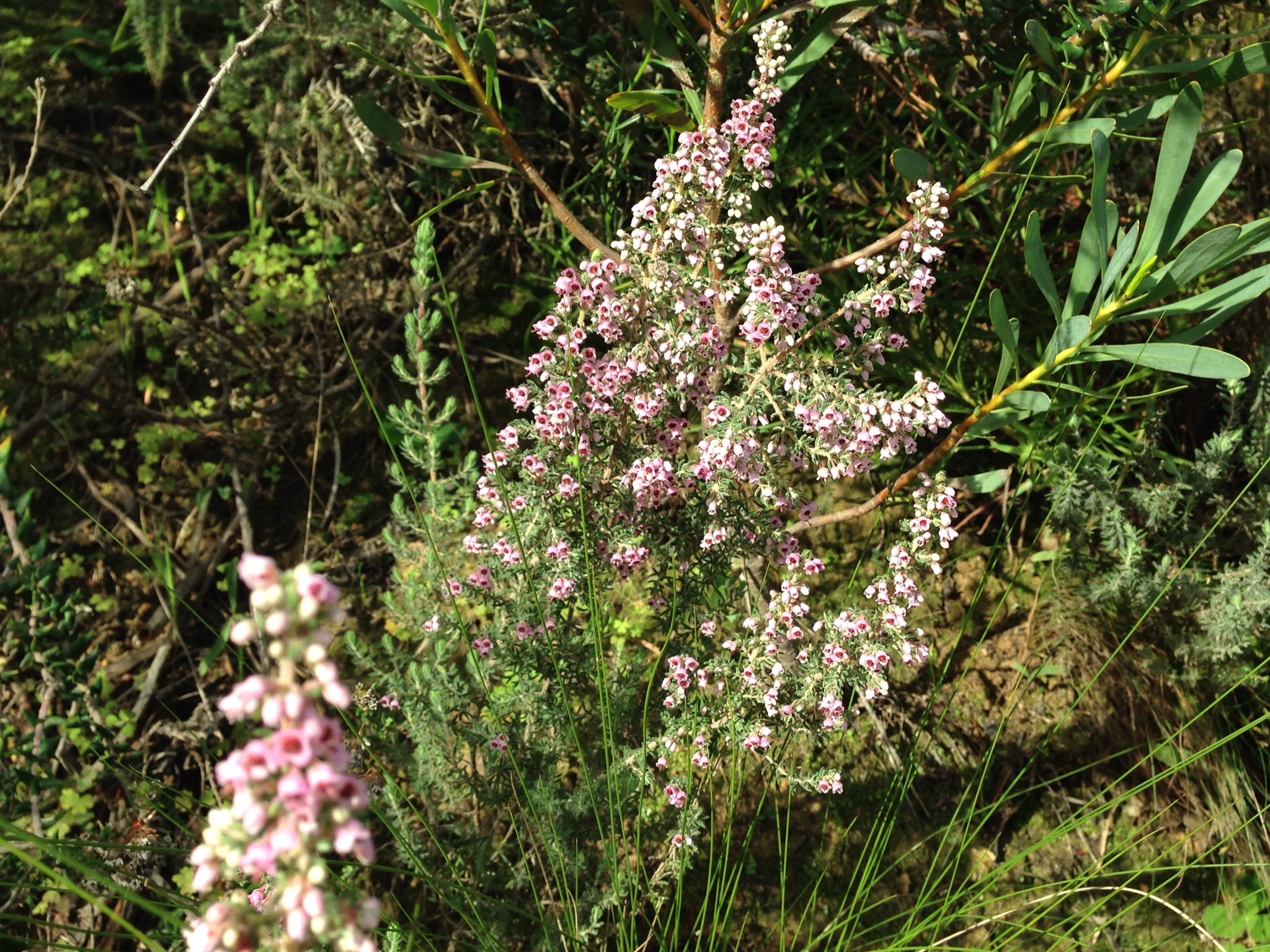
There is so much going on that it is quite hard to choose what to post after an empty week. I cannot resist another photo of the Erica with it’s lovely pink bells – Ericas of all types are rampant at the moment, loving the damp cool winter air.
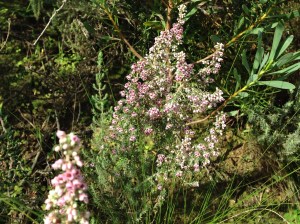
Erica nudiflora?

Erica nudiflora?

We had an exceptionally dry and mild June this year, followed by a wet and mild July and a very wet and quite mild August. This combination has made for an early spring flowering season and we can see life exploding all over the place, at least we can when we get out there in between the rains!

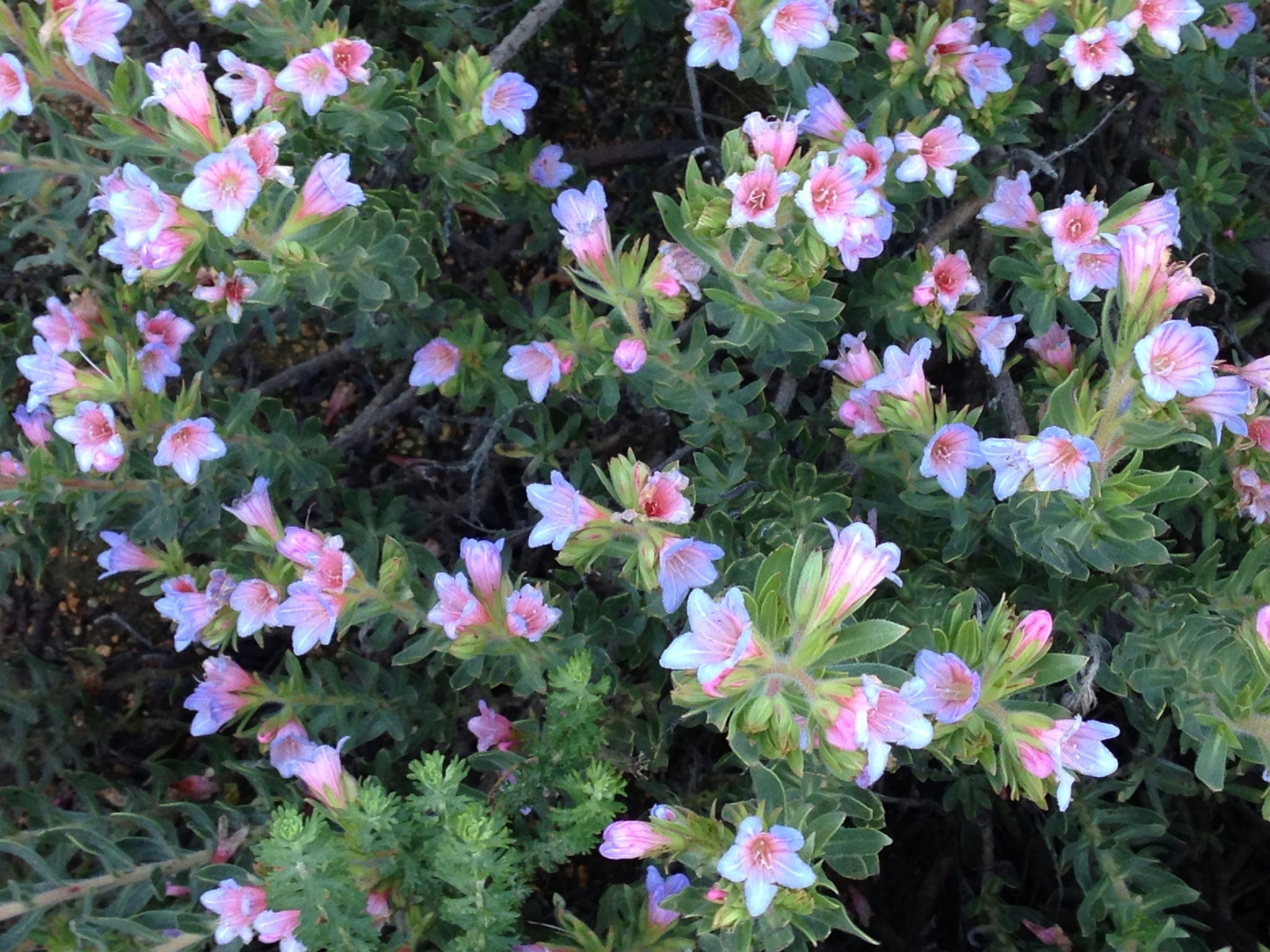
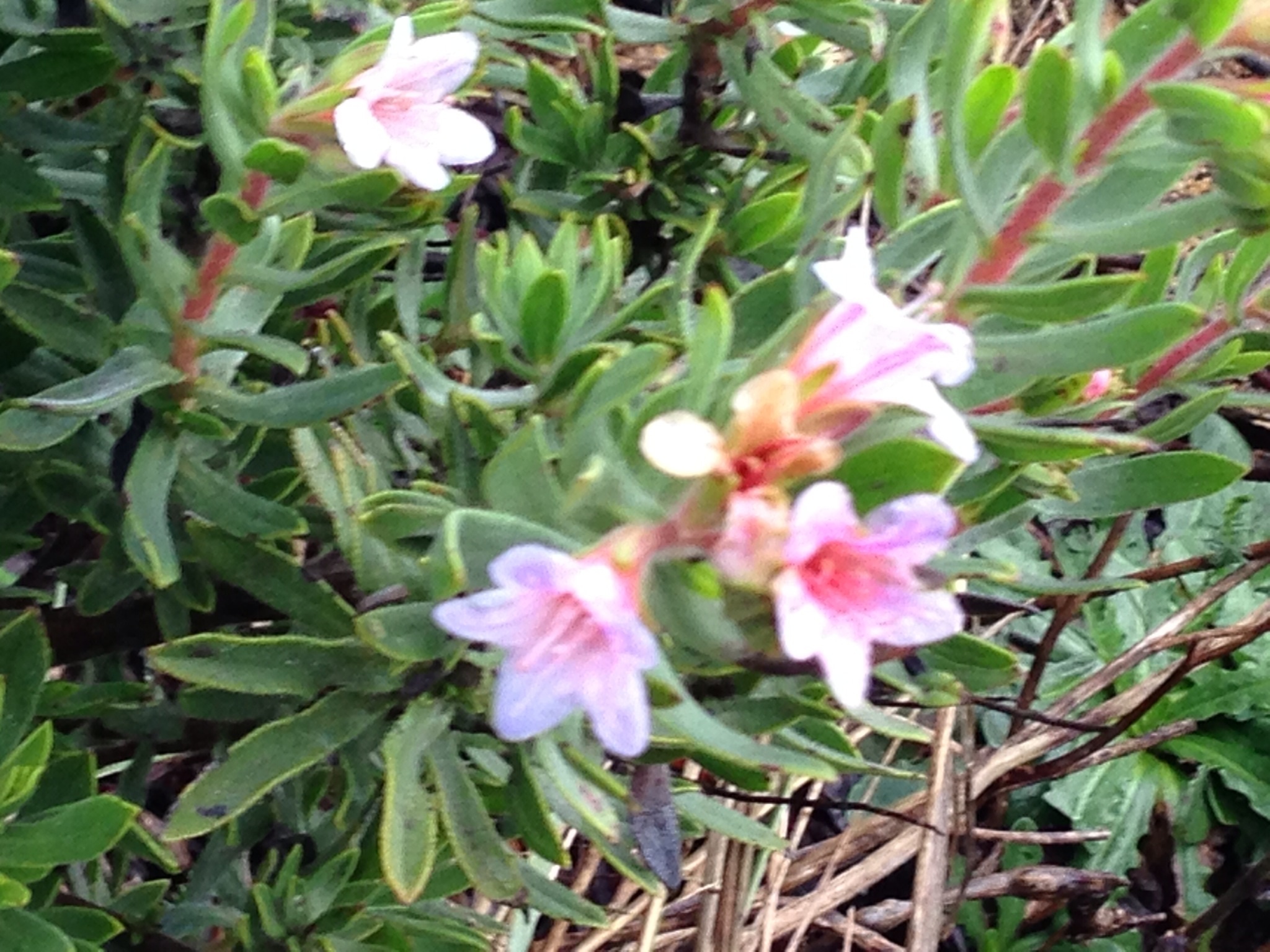
The final flower from our weekend is the Lobostemum Fruticosa. I won’t be able to resist taking photos of this shrub for the rest of the springtime, it is spectacular and flowers all over the moutain. These delicate trumpets shine both in sunshine and on gloomy days and bring joy to the soul of the weary runner and frustrated blogger.

Lobostemon fruticosus

Lobostemon fruticosus

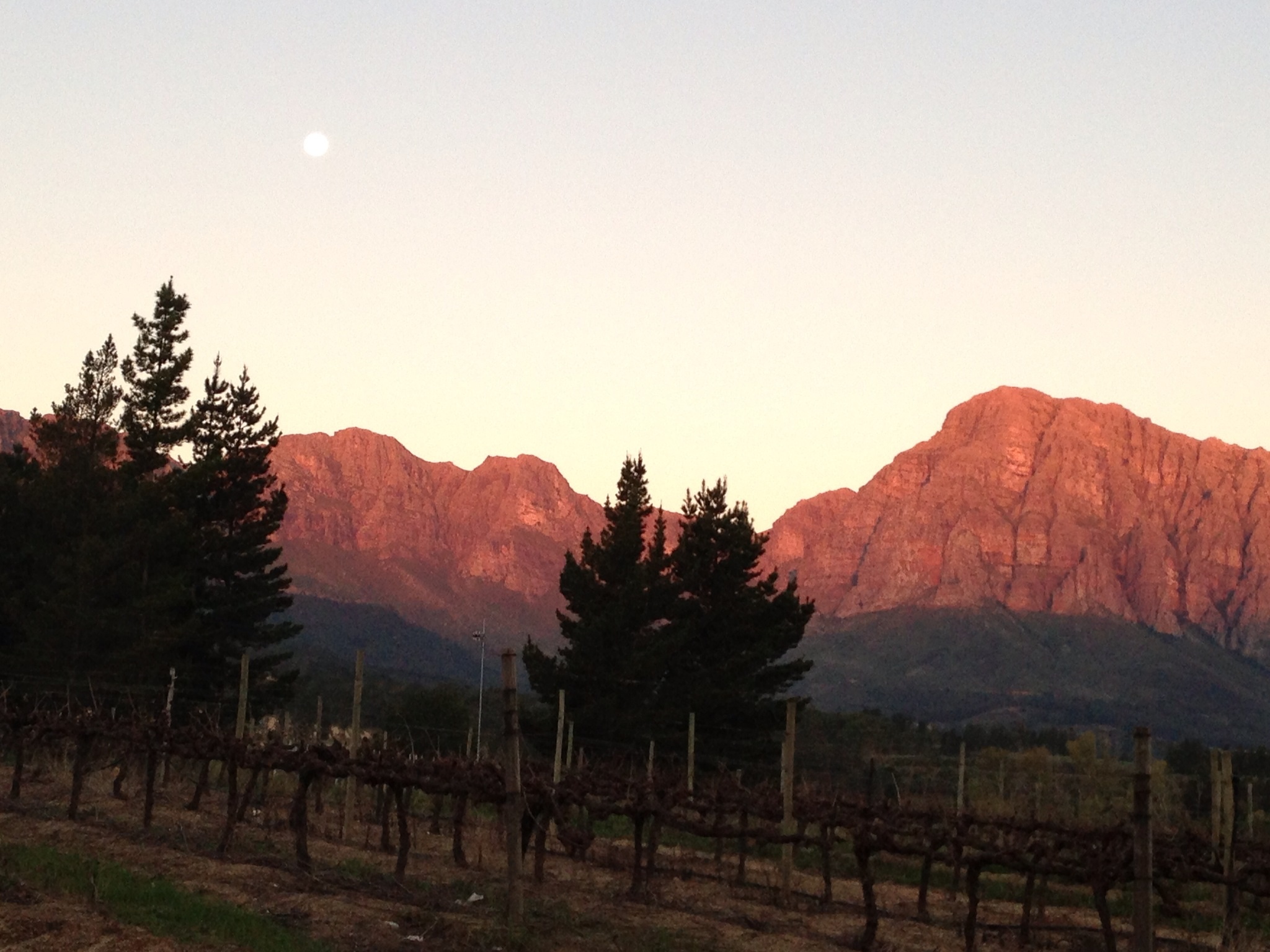
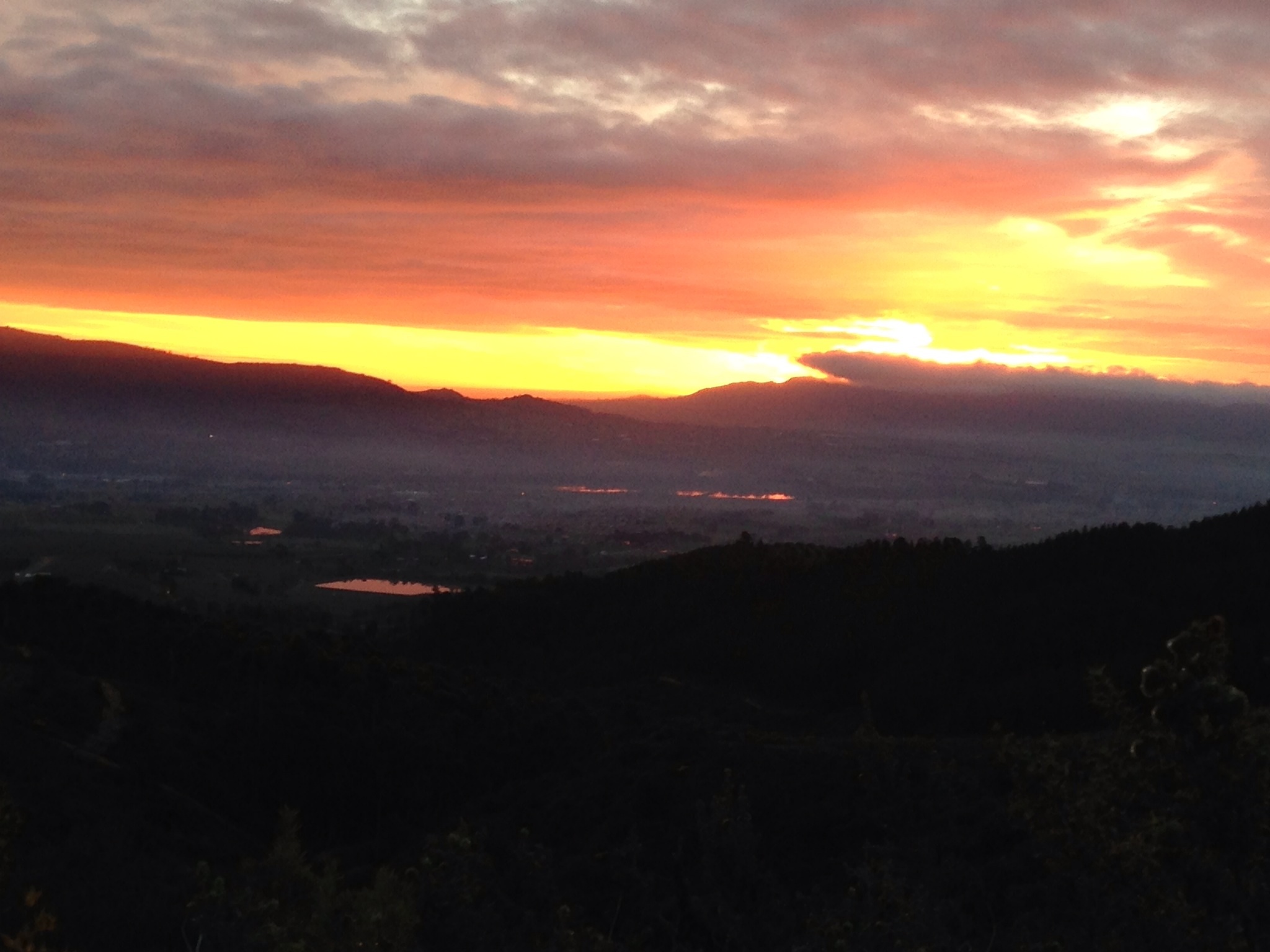
On Monday evening after a beautiful crystal clear day I drove home in the early evening just as the sun was setting and the moon rising behind the mountains. This photo was taken from the bottom of the long dirt road that leads through the vineyards to our farm. By yesterday the clouds were back and with night came that sound of rain hammering on the roof again. Enough! Time for some sunshine!

The last of the sunlight and a rising moon over the Hawequas Mountains

The last of the sunlight and a rising moon over the Hawequas Mountains
Water!

As Capetonians know every day this week we’ve woken up to the thud of rain on the roof which is a huge disincentive to go up the mountain. Somehow I have become an African and the sound of rain is welcome, although I will never get over my Irish dislike of getting wet and don’t stand happily in the rain like some of my South African friends. I’m certainly not keen enough to go running in the heavy rain.

This morning the rain was not merely thudding; we had a warning of big storms today and during the night it started hammering and it didn’t let up until around 2pm and picked up again a couple of hours later. When it rains like this our thoughts immediately go out to those who have to cope in informal settlements all over the Cape. It must be hell for them.

Here in Paarl the rivers all look set to flood, any low areas of roads are flooding, and our mountains are disgorging water everywhere. It’s wet, but it’s also stunning and these long winter rains feed the Cape all year and make its fabulous wines and harvests possible. Dams are finally full and the winter is fulfilling its promise.

When the weather cleared for a while at 2pm, perhaps the eye of the storm or the bad rains finally wearing out I put on my running shoes and set off with the dogs to look at the rivers on the farm. The waterfall is amazing, gallons of water a second pouring down, white with fury and pressure. In the interest of a good picture I clambered down to the bottom of the fall to capture this photo. At the top of it you can see a pink flowering shrub – it’s the one I had identified as “purple gorse” but I went back to check and it is an Erica – Erica multumbelliferia.

The waterfall after heavy rain

The waterfall after heavy rain

Erica multumbelliferia

Erica multumbelliferia

The poor old fynbos bulbs are a bit tattered after a week of rain but the same rain that flattens then will only produce more flowers. Meanwhile the Lobostemum seems to glow in the grey light and definitely took the slot of Flower of the Day. Here it is again.

Lobostemum fruticosus

Lobostemum fruticosus

I’ve noticed over the years that after heavy rain the birds are always very active and it was true today with birds calling and flitting all over the place. Best of all was an outraged Malachite Sunbird who had clearly decided the weir belonged to him and and him alone; he called furiously while flitting from branch to branch. There is another who loves the scented flowers by the house and who sits on a high branch outside the backdoor shrieking with rage on spring mornings when we emerge. One day I must capture him on film and post him on the blog, the emerald green colour is extraordinary and fully merits the name.

Higher up the weir is also pouring water and upstream from the weir the pools look amazing. You can see the gathering water and the magnificent trunk of this beautiful Ilex Mitis, the Cape Holly, with its foot in the stream.

Ilex Mitis, the Cape Holly with his feet in this permanent stream

Ilex Mitis, the Cape Holly with his feet in this permanent stream

While I was running merrily around the farm Peter was far more concerned with the dam, which looked like it might overflow and possible breach the dam wall which would be a disaster. He had sent the farm staff home – not much they can do in this weather, and spent the afternoon digging out above the wall to make sure we’d be safe. Fires a stiff drink and comfort food all needed at the farm this evening.

Flower of the Day: Moraea tripetala

The Moraea tripetala is probably the first fynbos bulb to captivate me all those years ago.  I was running down the drive and couldn’t believe this tiny Iris-like flower growing prolifically along the bank.  The larger petals are smaller than my thumbnail and the colours are exquisite.  Of course I wanted to know what it was, I started noticing other flowers and out of that has come this passion for fynbos.

Moraea tripetala

Moraea tripetala


Flower of the Day: Spiloxene capensis known as the Cape Star

As we have a profusion of amazing flowers, and in particular flowering bulbs at the moment I shall post a “flower of the day” for the next couple of weeks.  Today’s is the lovely Cape Star which has suddenly emerged all over the farm.  Well named both literally and figuratively, as it looks like a star and is a real star of the flowering season.

Spiloxene capensis, the Cape Star

Spiloxene capensis, the Cape Star

Proteas, Montinea and another glorious sunset

Most of this Sunday it drizzled, a slow cold Irish-type drizzle, the kind of soft grey day we don’t often get here.  We huddled up in the study before a blazing fire and watched Andy Murray win the tennis at Wimbledon.  He wrapped it up pretty quickly, and by the time he’d finished it wasn’t yet dark and I felt in need of exercise after a cold damp weekend, so I put on some running shoes, to the delight of the dogs, and set off up into the mountain with pounding paws and wagging tails leading the way.

I hesitate to say we see something new every single time we go out, but it does feel like it.  On Wednesday we came across this Montinia caryophyllacea by the side of the road as we ran up the mountain.  I’d taken a picture of it, but these white flowers are hard to photograph when there isn’t enough light.  Today was a bit better, though I still need to go up in full daylight to get a better picture.  There seems quite a lot of it coming into flower so I’m sure we’ll find more in better light.
Montinia caryophyllacea

Montinia caryophyllacea

That part of the mountain is covered with Muraltia heisteria – it’s not supposed to be flowering at this time of year but this does seem a perfect match.  They are lovely, the colours vibrant in the evening light.  We’ve seen these before; their vibrant colour means they deserve the occasional picture as they are long flowering and dominate the winter months.
Muraltia heisteria

Muraltia heisteria

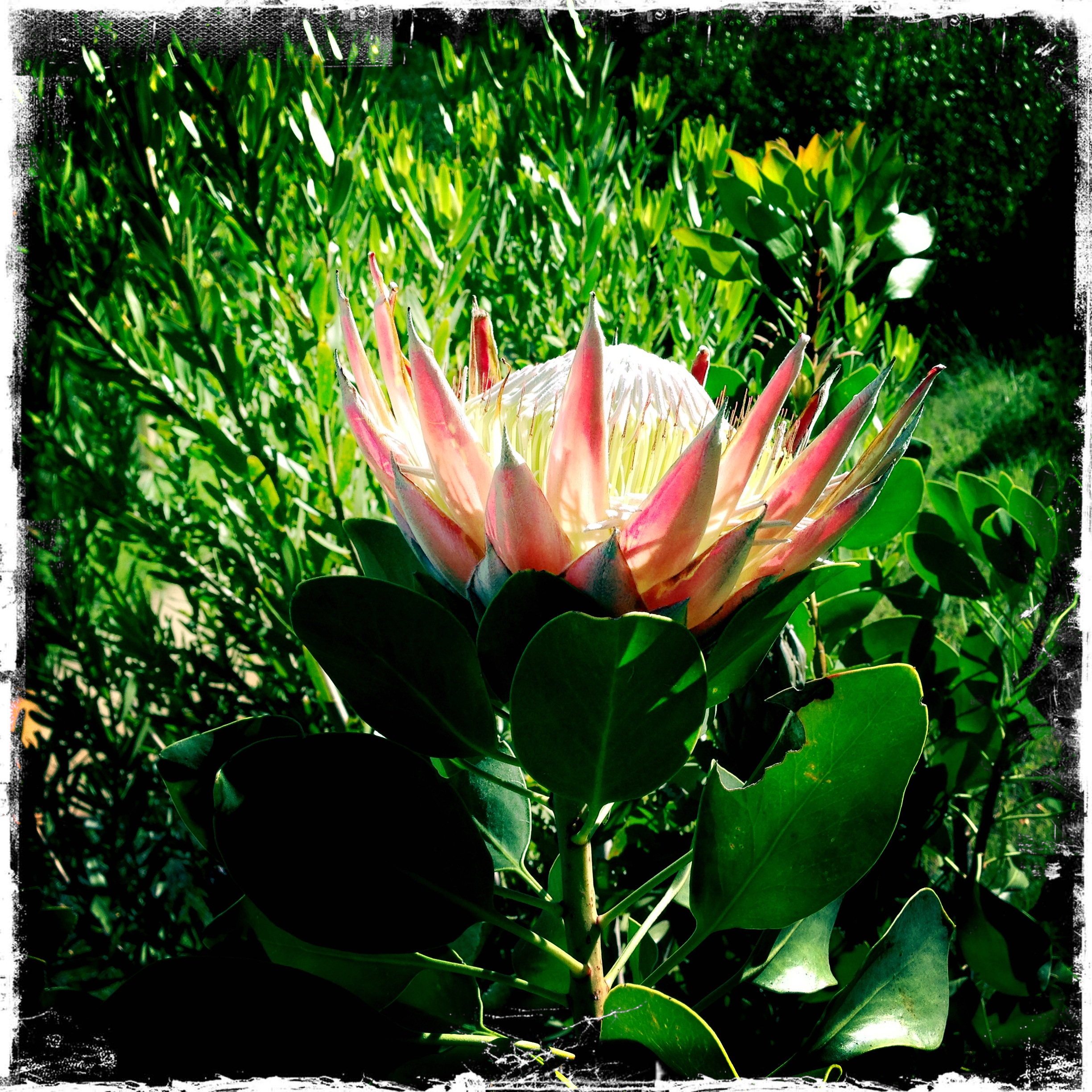
I’m learning to question everything, and although our Protea nerifolia does come in cream as well as pink and this is probably nerifolia (looking at the leaves) we need a bit more research to be sure.  It’s a lovely flower and there are hundreds of these shrubs flowering on the farm at the moment.  The house is filled with vases full of proteas, leucadendrons and oddly enough the most wonderful camelias which thrive in the acid sandstone and decomposing granite (and lots of good compost) of the garden here and flower all winter long.

Protea (nerifolia?)

Protea (nerifolia?)

Quite quickly it was far too dark to take good pictures of flowers and although I saw the first of one of our favourite late winter shrubs, we will have to wait another day for a photo (that’s today’s new flower).  As the sun dropped behind the Paarderberg mountain, we trotted quietly down the montain, remembering to turn around from time to time to see the glow reflected in pink and orange on the moutains behind.

image
There is something emotional about a sunset.  This evening the air was completely still, quite rare here in the montains.  After a rainy day, the sky cleared and the sun broke through, flooding the mountains with colour.  The river and dams in the valley reflected the deepening sky.  The smell after the rain is clean and scented with flowers and rain, washed and pure and you want to breathe deeply, happily.  We were so glad to be up there this evening, thanks to Andy who polished off his victory  in time for us to catch this glorious sunset on the night of his even more glorious victory.
imageimageimage

The Rooi Afrikaner or Gladiolus watsonius – a technical blog

For at least four weeks I’ve been frustrated by this glorious red gladiolus.

Gladiolus watsonius

Gladiolus watsonius

The species is easy to identify, the subspecies has been confusing; our first sighting was at the end of May and the book says it doesn’t flower until August.  Even the more detailed encyclopedia says that it flowers from July to September. Furthermore it grows in clay and granite slopes in renosterveld. We have granite and sandstone slopes which is a subtle but important difference when it comes to fynbos. Over the weekend I got more serious and looked more closely – the only possible suspect was Gladiolus priorii. But Gladiolus priorii has a yellow throat and although I didn’t have a photo of the throat, I was pretty sure it’s not yellow. I couldn’t really bring myself to believe that we have a previously unidentified Gladiolus on the far, tempting though it might be.

Today I picked one.

It had fallen over a bit on the bank above the drive, it’s a bit tatty and it was time to take this whole process of identification a bit more seriously. And I can reveal that Gladiolus watsonius has one particular distinction. The lowermost leaf is narrow and H shaped in cross-section. No I didn’t get the scalpel out – I’m not that much of a geek yet. It’s pretty obvious just looking at it.

The lowermost leaf of Gladiolus watsonius

The lowermost leaf of Gladiolus watsonius

We have a positive identification – it may be the wrong time of year, it may not be quite the right soil-type but there is no doubt: Gladiolus watsonius likes Du Toitskloof and it likes our farm. It flowers when it chooses to and it’s not going to change, so the sages who write the books may need to change a word or two.

Gladiolus watsonius

Gladiolus watsonius

« Older Entries Recent Entries »